
Project |
Program |
Architect |
Project team|
Structural engineering |
Instalations engineering |
Garden dreamsTimisoara|Ro
Cultural
arch. Marius Miclaus coordinator ARCHAEUS
ARCHAEUS arch. Marius Miclăuş, stud. arch. Bogdan Raţ, arch. Zsolt Varday, arch. Brindusa Havasi, arch. Cristian Blidariu, arch. Beatrice Lucaci, arch. Maja Baldea consultant arch. Vasile Oprisan
ATELIER
TREI: arch. Cosmin Bloju
arch. Codruta Negrulescu
arch. Oana Sarbu
arch. Victor Popovici,arch.Claudia Godean
PARASITESTUDIO: arch. Claudiu Toma
arch. Maja Baldea,
ART WORKS: Artist Nada Stojici
Modell
: stud. arch. Bogdan Rat
stud arch. Bogdan Buda
stud arch. Marton Tovissi
CORONA TIMEXIM eng. Laci Fekete consultant eng. Corneliu Suma, Prof. Dr. eng. Decebal Anastasescu
electric - CAPABIL / eng. Dumitru Moisi
HVAC - G&C MARKET CASTELLI
eng. Dorian Farca, eng.Florin Botos
PROWASSER / eng. Marioara Golumba
eng. Maria Grozav
Topographical survey |
Landscape |
Historic study |
Restoration analysis |
Restoration consultant |
Social analysis |
Constructor |
Client |
Built surface area |
Budget |
Project period |
Construction period |
Location |
Model |
Sketches |
Photos |
PIU management |
A&C GEODETIC TEAM
eng. Claudiu Darpes
landscape designer Constantin Berar
hist. Simina Stan,
prof.
dr. geo. Marin Secalman
conf. geo. Anca Luca,
dr. arch. Ileana Zbirnea
rest. Iulian Olteanu,
dr. soc. Corina Ilin
PROWA BENERT
Timis County Council and Timisoara Town Hall
13 000 m2
750 euro/mq.
2003 - 2008
2009 - 2011
Timisoara
3D modell – arch.
Cristian Blidariu
arch. Zsolt Varday
arch. Ovidiu Micsa and authors
aerial wiew - Prowa Bennert
eng. Marieta Mateescu,
arch. Gabriela Cretu
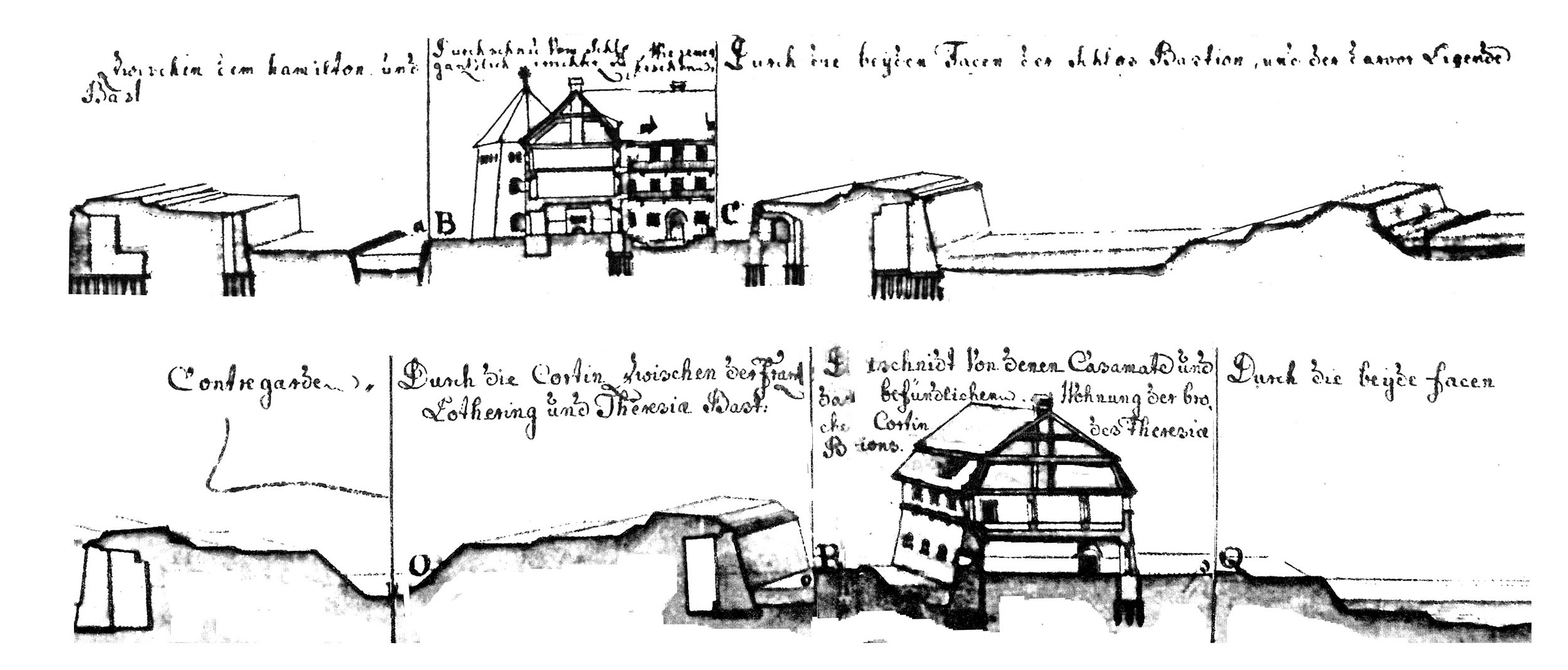
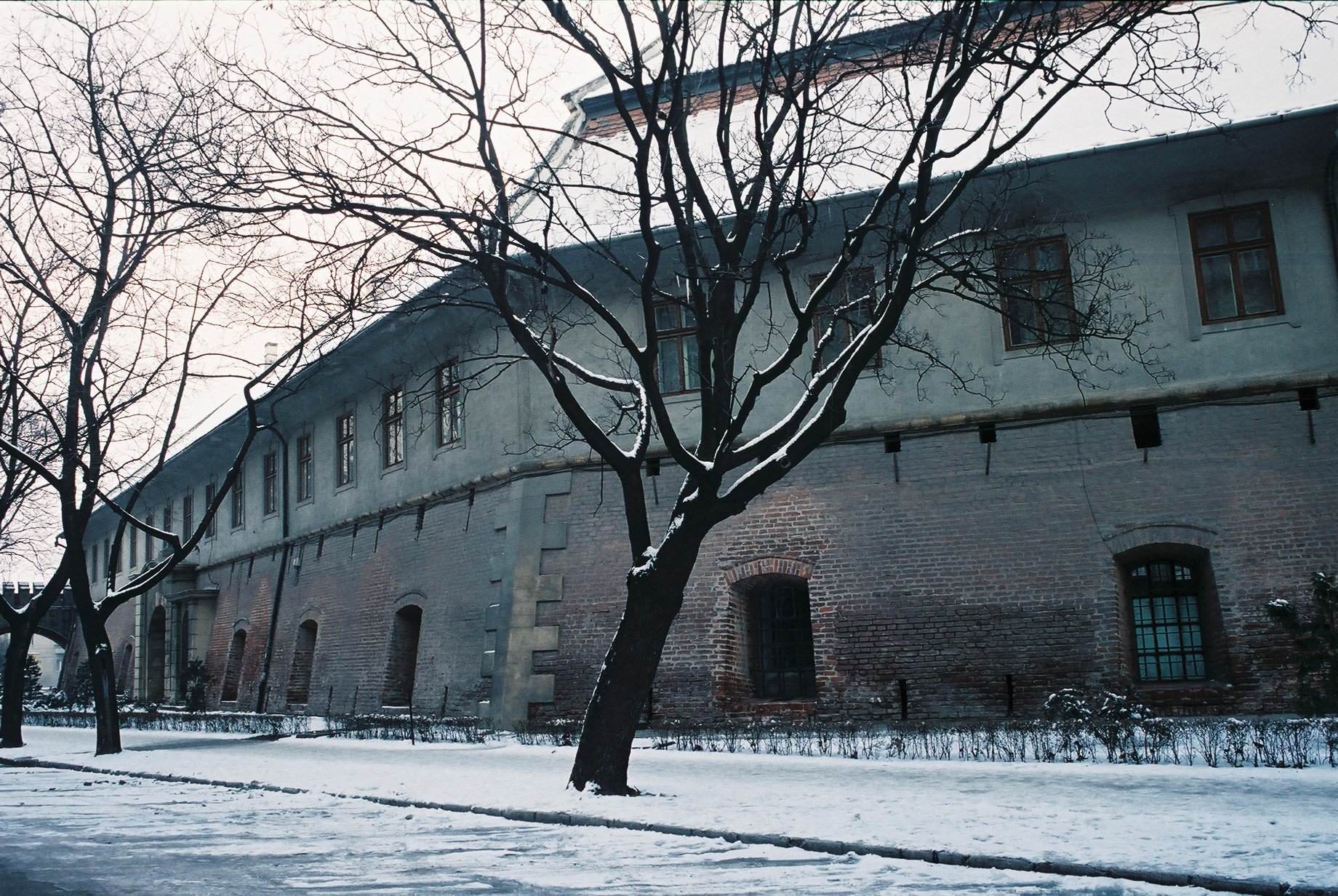
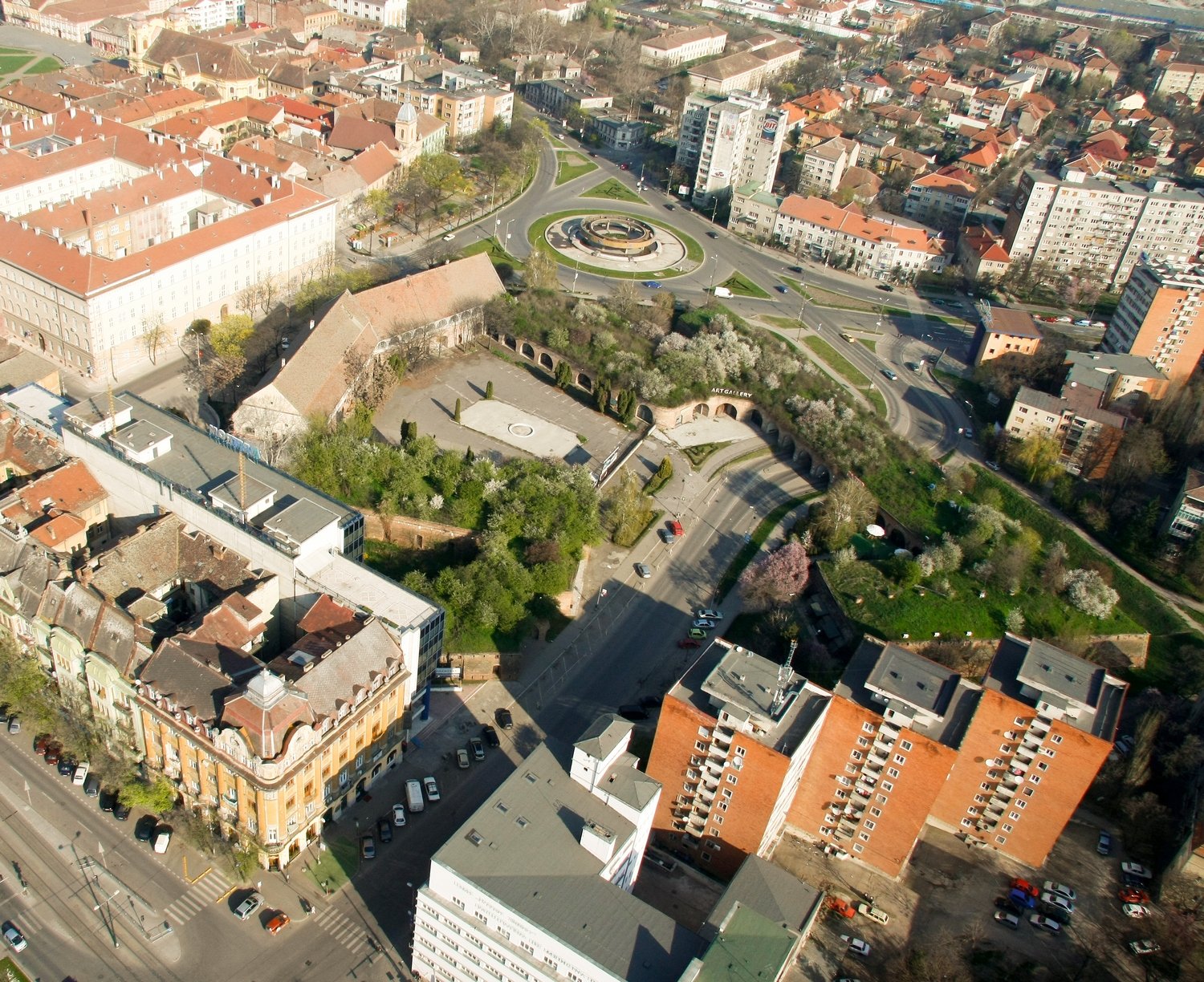
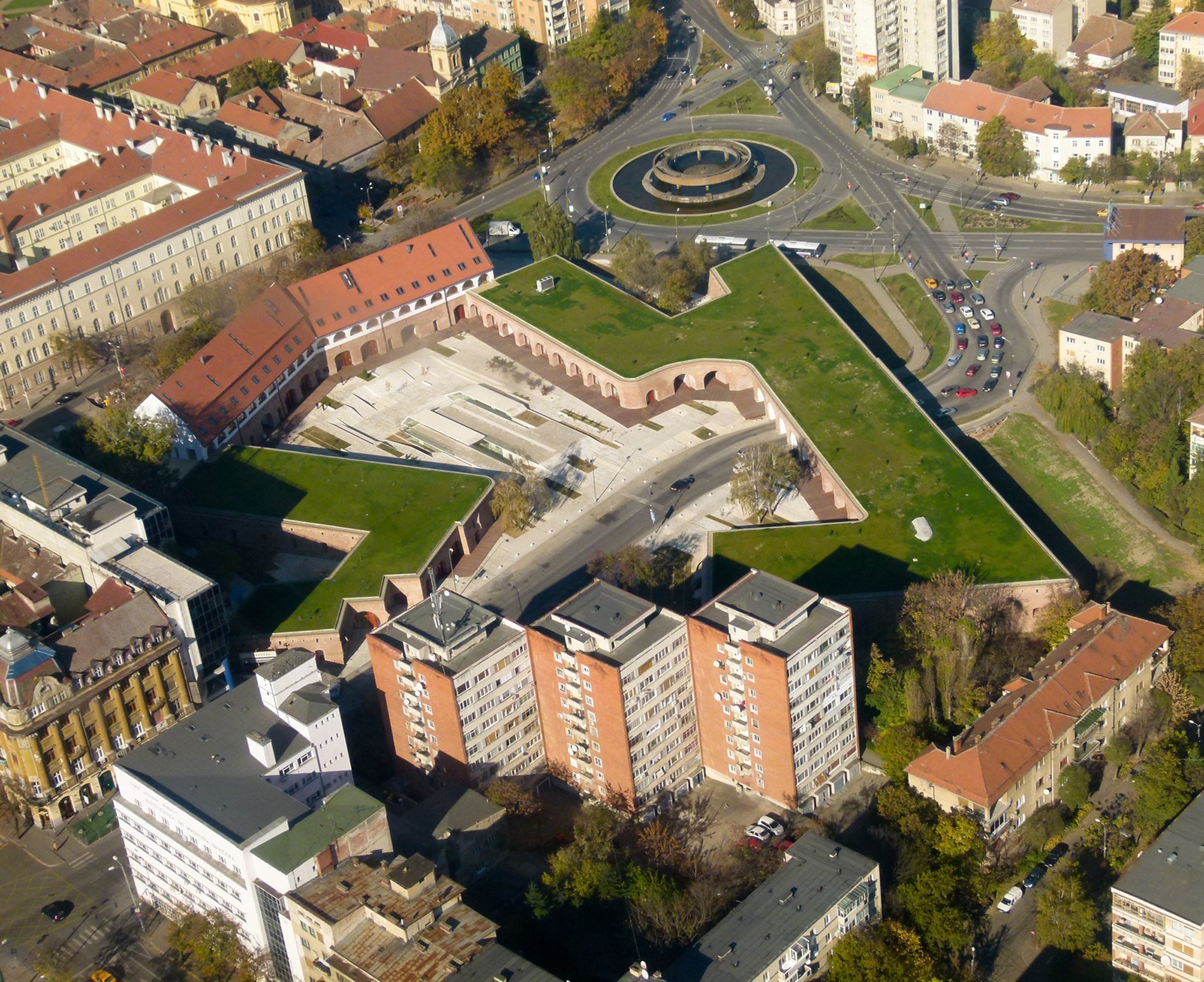
Winning the national contest for the rehabilitation of the Theresia Bastion (the first of the nine Vauban Bastions which formed the defense system of Timisoara, built between 1738-1738), a Class A Monument according to the National List of Monuments in Romania, represented a both difficult and extraordinary proefessional experience.
The
concept theme catered on reintegrating and defining a new urban pole
by applying creativity on the public space – an area in which too
little has been invested in the past twenty years in Romania.
charge of its urban life.
At first, the project was supposed to tackle only some infrastructure issues, but at a thourough analysis we discovered that the site, found at the edge of the historical core of the city (completly rebuilt after conquest of the XVIII th Century by the Austro – Hungarian Empire in 1716), had a much higher potential. We decided to underline this potential, by using the following main guidelines:
Implement cultural and socialising functions in a space currently forgotten
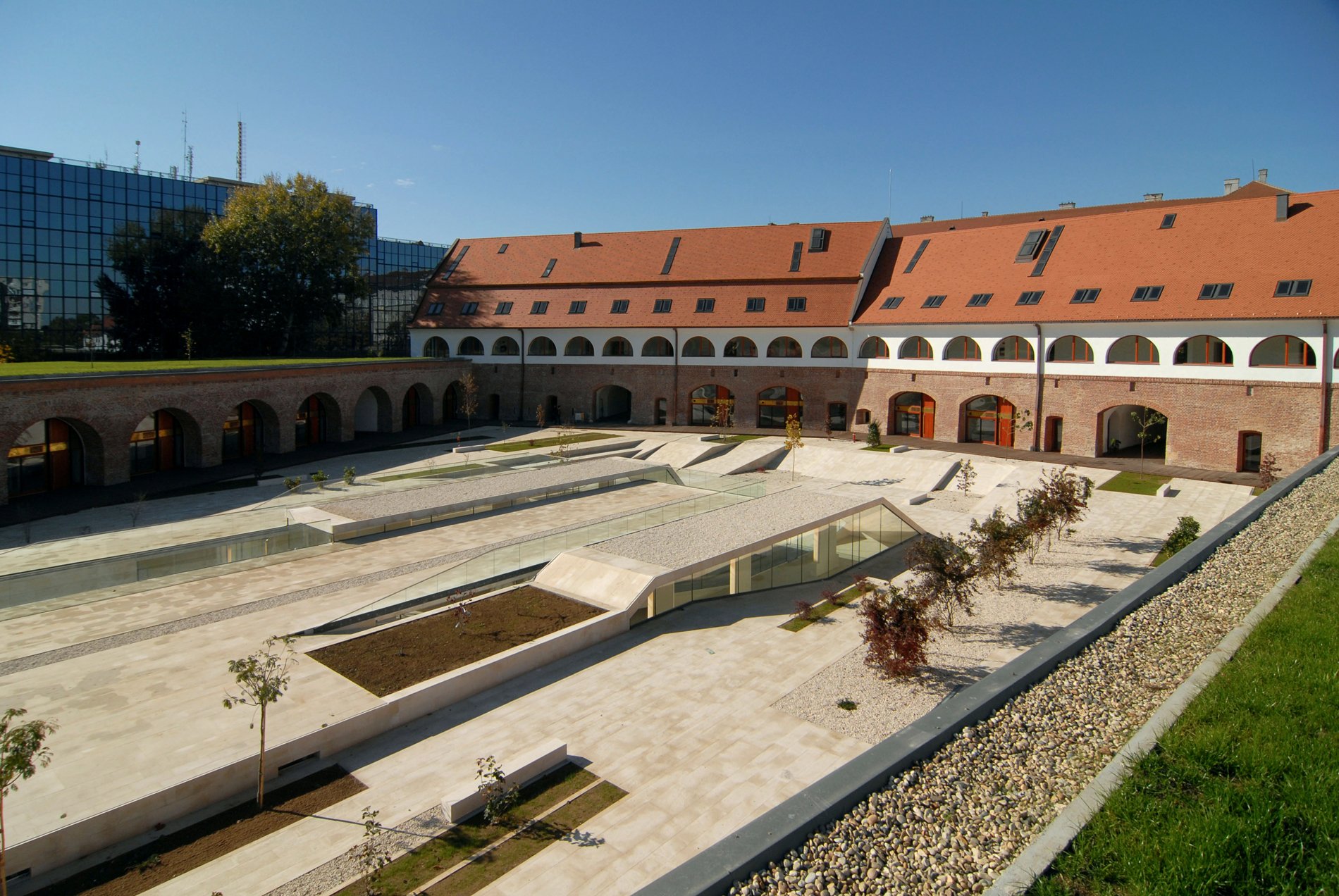
Define a new urban space by redesigning the Honour Court and connect this space with the existing square framework of city
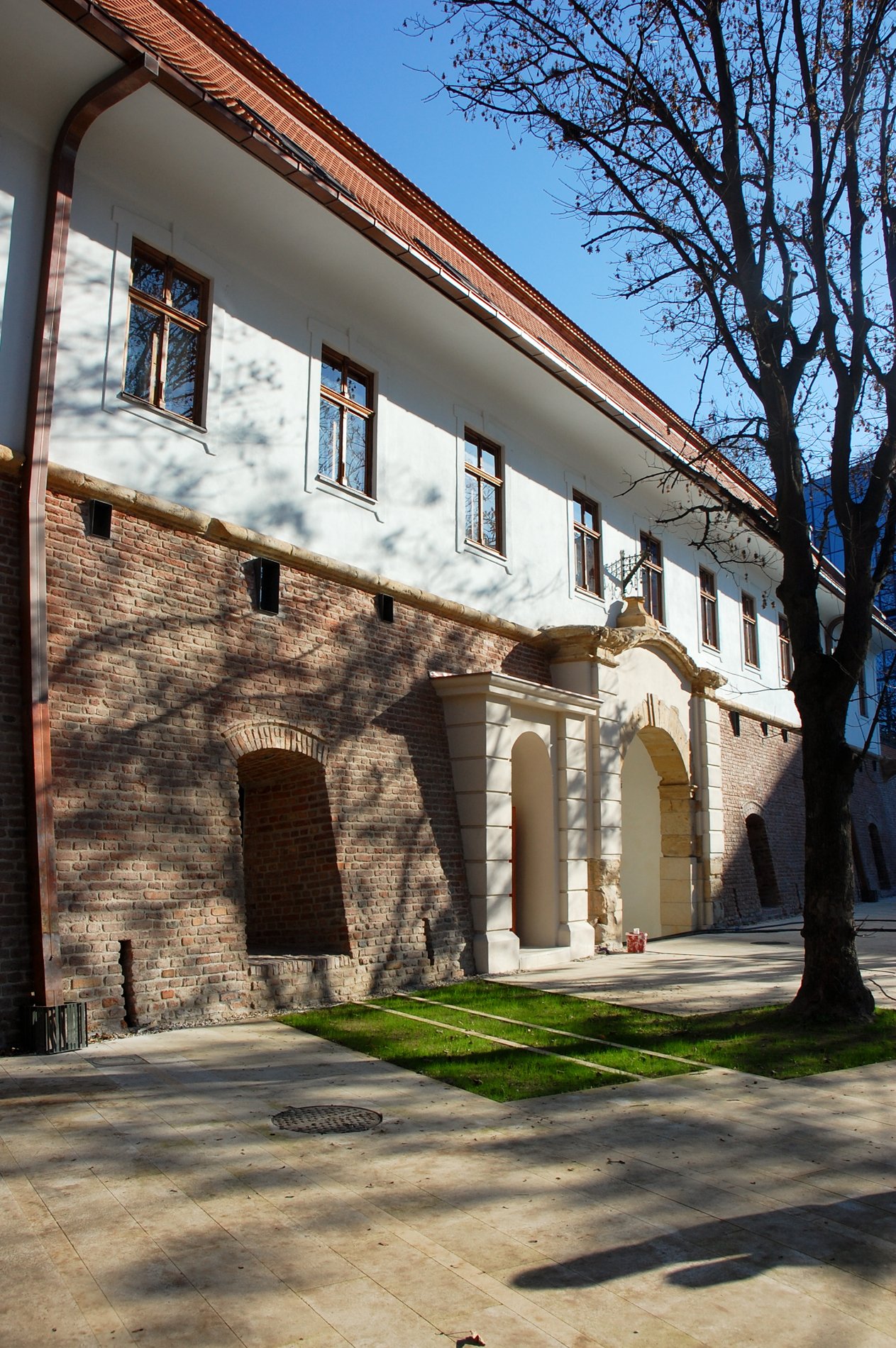
Reasemble the image of the monument through a careful restoration process, moreover as the city intents become a candidate for the European Cultural Capital title in 2020.
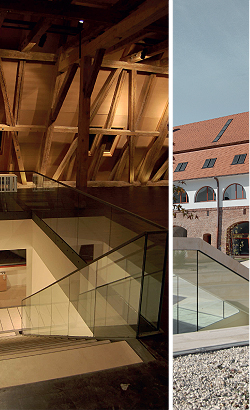
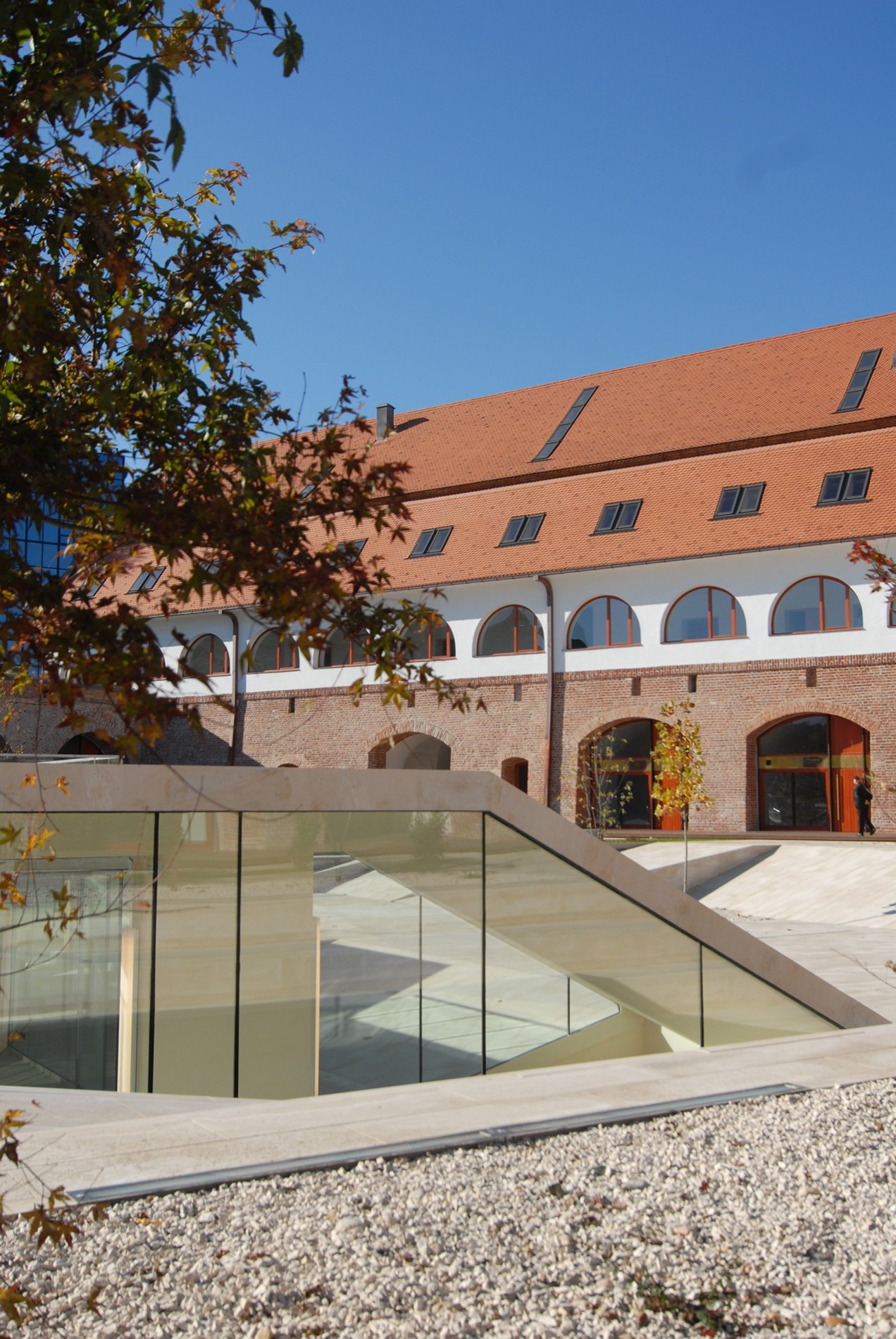
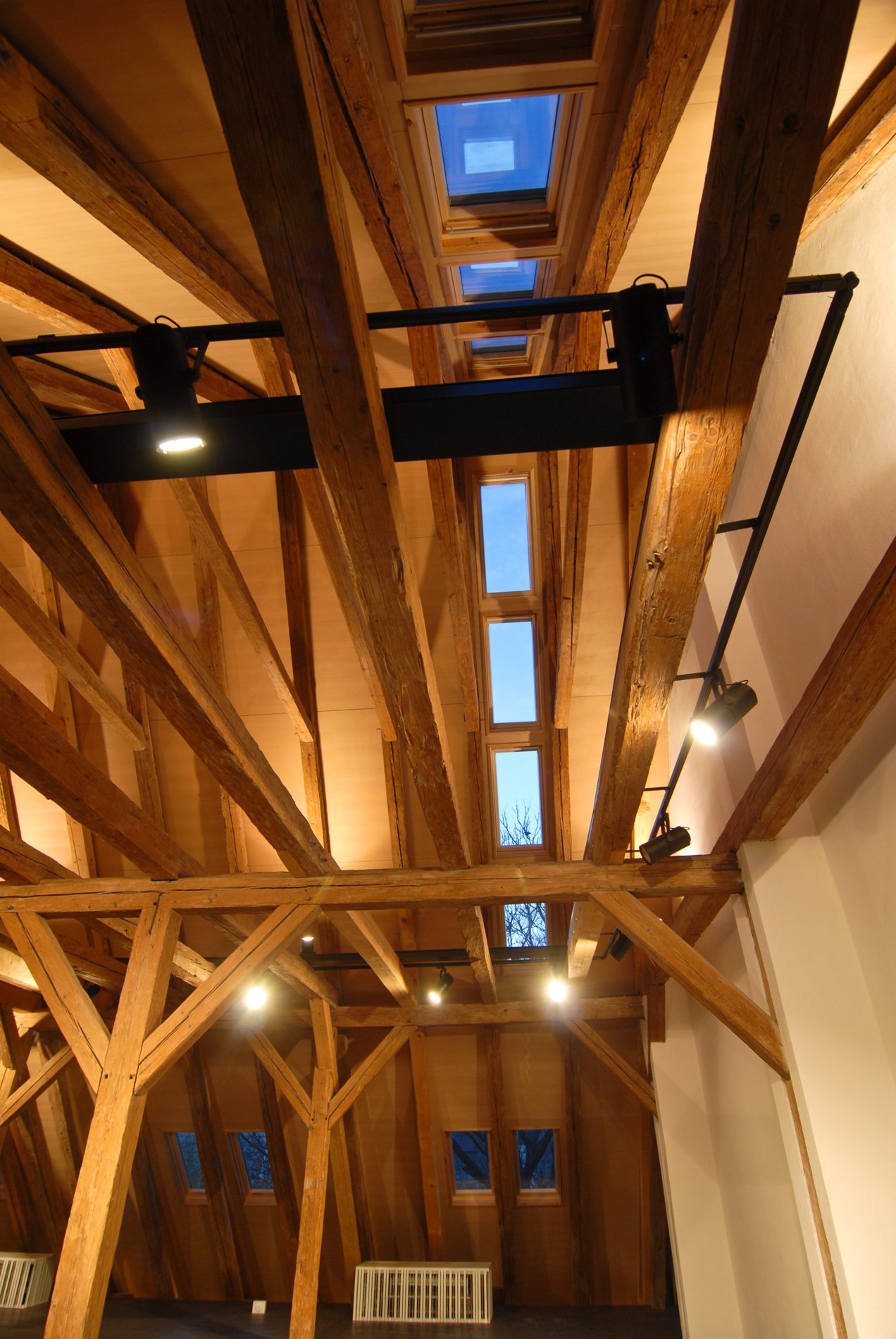
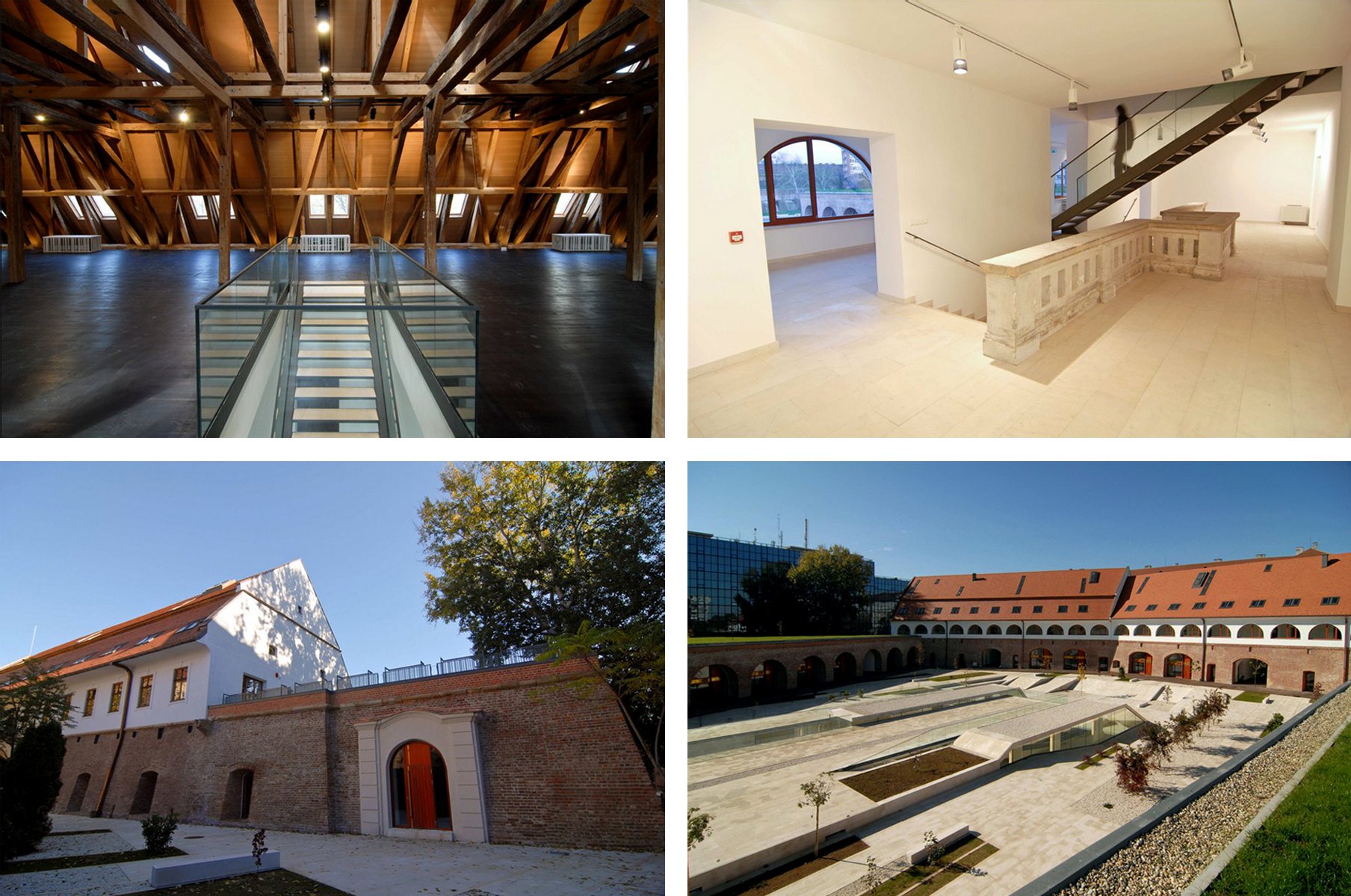
We paid a great attention to the potential of the indoor spaces or the spaces currently unsed (as such, the attick became an exhibition space) as well as to defining new contemporary volumes mostly for cultural use. The intervention concept is based on the following priciples:
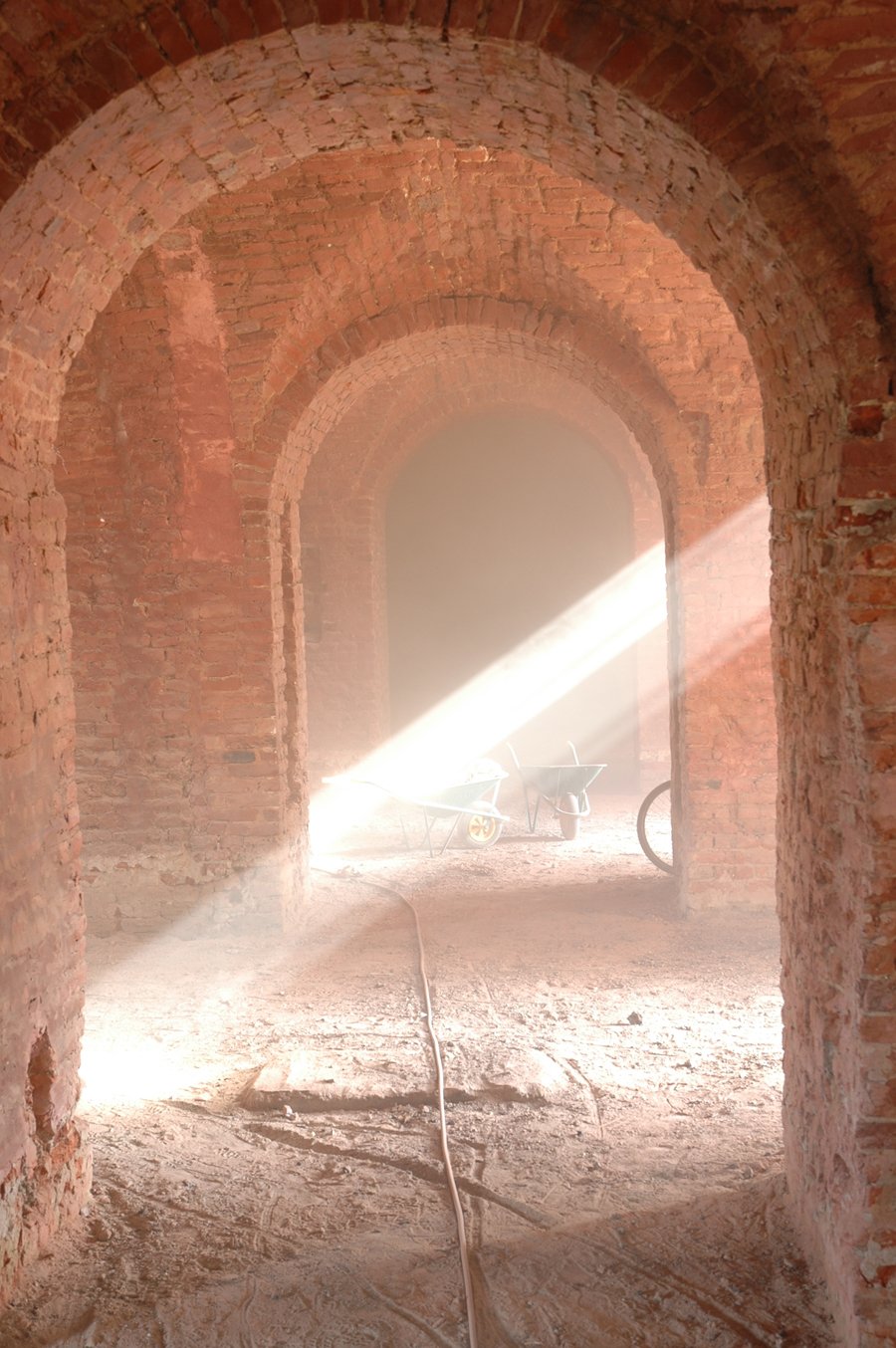
eliminate ciment mortars and the concrete poured during the 1970’s restoration process, as well as the interventions on the historical surfaces due to the use of such materials
insert all the plumbing and electrical installations thorugh the floor or by usining metal supports, thus reducing to the mínimum the intervention in the historical core of the building
use new, reversible materials, easy to eliminate in the following interventions.
subtly accentuate the contemporary intervention
intervention on the existing
We chose materials that age nicely, in an easy contrast with the historical surface - copper-sheets, wooden carpentry with non ferous metallic inserts, plasters and paints based on lime, as well as metal structures easy to elliminate. The floors are installed on sand, using historical technologies. As a support for the whole monuments we used a limestone which hides the spaces in the courtyard, increases the potential thorough contrast and reinvents unused places.

2011 BASTION
